
The Illusion of Control: Understanding House Edge
One of the most pervasive myths about casino games is the belief that players can manipulate outcomes through skill or strategy. While skill plays a role in some games like poker or blackjack, the house edge is a fundamental aspect that ensures the casino will always have a statistical advantage in the long run. The house edge is built into the rules of the game, meaning that over time, the casino will profit as players inevitably encounter losses. For instance, in roulette, the inclusion of the zero or double zero slots serves to skew the odds in favor of the casino, regardless of the betting strategies employed by players. Many gamblers seek the thrill of a win, often searching for options that offer a casino fast withdrawal to maximize their experience.
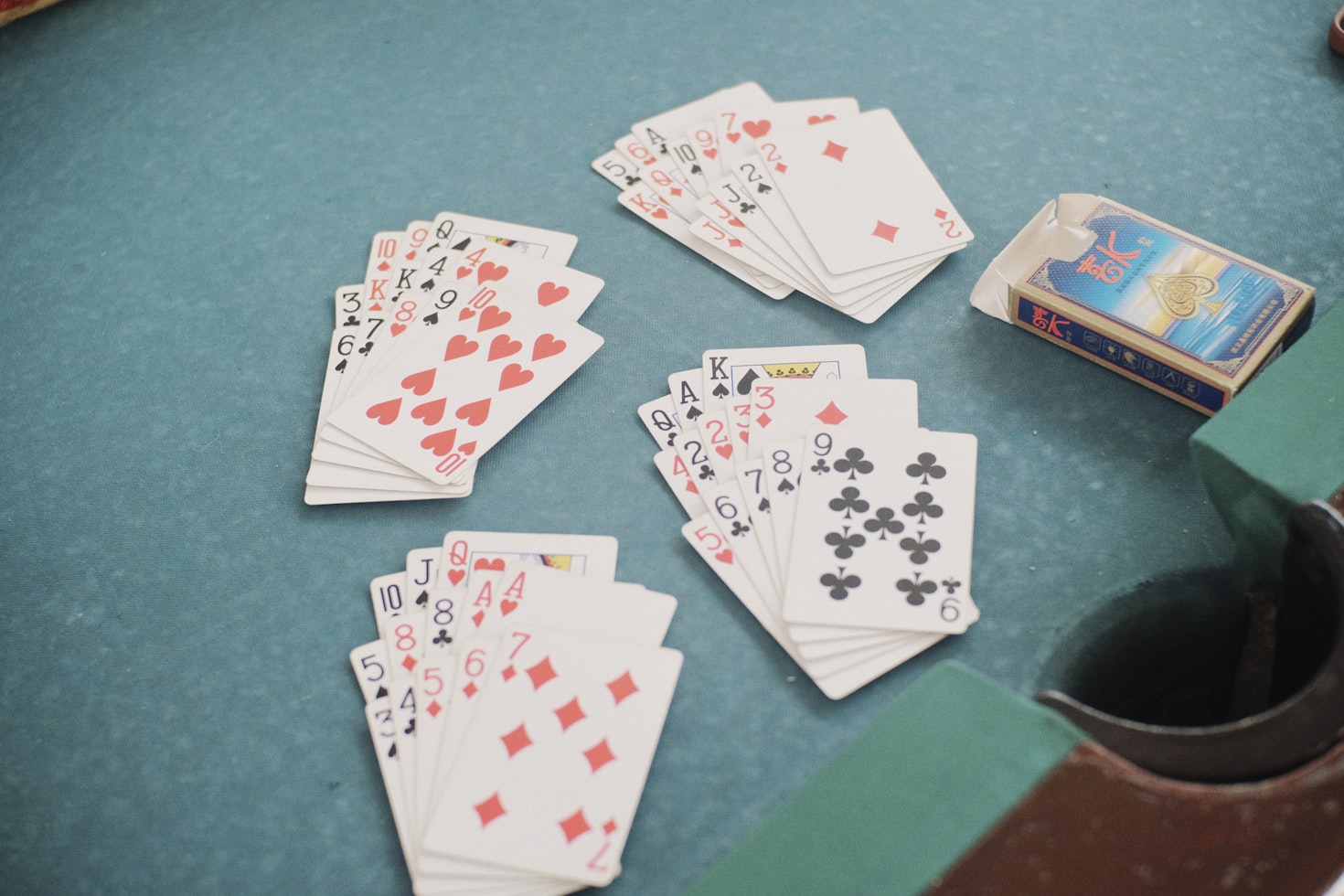
Moreover, understanding the house edge helps players make more informed choices about which games to play. Games like baccarat and blackjack have a lower house edge compared to slots, which might seem enticing due to their flashy graphics and quick gameplay but often result in higher long-term losses for players. Recognizing these differences can aid players in selecting games that provide a better chance of winning, yet it’s crucial to remember that no game is devoid of risk. The house edge is a stark reminder that casinos are not simply places of chance but are carefully designed to ensure profitability.
Ultimately, the misconception that one can outsmart the house by using specific techniques or betting systems leads to disappointment. Players who believe they can overcome the inherent odds tend to play recklessly, betting larger amounts in hopes of hitting a winning streak. By embracing the reality of the house edge, players can approach their gaming experience with a healthier mindset, focusing on enjoyment rather than solely on winning. Understanding the house’s role in gaming can foster a more sustainable approach to gambling, where players prioritize fun and responsible play over unrealistic expectations.
The Role of Luck: Chance vs. Skill in Casino Games
Another myth surrounding casino games is the idea that luck is the only factor influencing outcomes, particularly in games perceived as purely chance-based. While luck undeniably plays a significant role in most casino games, skill can also heavily influence results, especially in games such as poker and blackjack. In poker, for example, successful players must understand probabilities, read opponents, and make strategic decisions based on incomplete information. This blend of skill and luck creates a dynamic experience that keeps players engaged and invested, as those who hone their skills often outperform less experienced players in the long run.
In contrast, games such as slots and roulette rely predominantly on luck, as outcomes are determined by random number generators or spinning wheels. Players often fall prey to cognitive biases, believing that a losing streak may be followed by a winning one due to the “law of averages.” However, each spin of the slot machine or each spin of the roulette wheel is an independent event, and past outcomes do not influence future results. This misconception can lead to unrealistic expectations, where players assume they are “due” for a win, thereby increasing their betting amounts unnecessarily and risking greater losses.
The intersection of skill and luck in casino games highlights the unpredictable nature of gambling. While luck can lead to momentary highs, successful players often know that their skill and decision-making ultimately determine their long-term outcomes. Recognizing the balance between chance and skill can empower players to make better choices and enhance their overall gaming experience. By understanding the role of both luck and skill, players can approach their gameplay with a more informed mindset, avoiding the pitfalls of misconceptions that might cloud their judgment and lead to poor gambling decisions.
The Gambler’s Fallacy: Myths about Hot and Cold Streaks
The gambler’s fallacy is a common belief that past events influence future outcomes in games of chance. For instance, players may think that if a particular number hasn’t hit in a while on a roulette wheel, it is “due” to come up soon. This misconception can lead players to make illogical betting decisions based on emotional reasoning rather than statistical reality. Each spin or deal is an independent event, which means the odds remain the same regardless of previous results. Believing otherwise can lead to misguided strategies that increase the risk of significant losses.
This myth can be particularly dangerous for gamblers, as it may cause them to increase their bets in hopes of capitalizing on perceived trends. Such behavior can lead to significant losses, especially in fast-paced games where players might chase their losses, further reinforcing the gambler’s fallacy. Understanding that each game is governed by randomness can alleviate the pressure players feel to bet recklessly based on past occurrences. By acknowledging the independence of each betting round, players can cultivate a more rational approach to their gambling habits.
Moreover, casinos are well aware of the psychological effects of these myths and often design their games and environments to amplify these beliefs. The flashing lights, celebratory sounds following small wins, and enticing promotions all cater to this cognitive bias, making it important for players to stay grounded in statistical probabilities rather than emotional reactions. By educating themselves about the nature of chance in gambling, players can maintain better control over their decisions and mitigate the risks associated with believing in the gambler’s fallacy. This understanding can lead to a more balanced and enjoyable gaming experience.
The Myth of “Hot” and “Cold” Machines
In the realm of slot machines and electronic gaming, players frequently discuss the concepts of “hot” and “cold” machines, believing that certain machines are more likely to pay out based on their recent performance. This myth perpetuates the idea that a player can predict when a machine is “due” for a payout after a series of losses or that a machine that has recently paid out is unlikely to do so again for some time. However, this belief ignores the fact that slot machines operate on random number generators, which ensure that each spin is independent and has no bearing on future outcomes.
The illusion of “hot” and “cold” machines can influence player behavior, causing them to gravitate toward certain machines based on their perceived payout patterns. This misconception can lead to frustration and losses as players chase after the elusive “winning machine,” unaware that the concept relies solely on chance rather than logical reasoning. Understanding that each machine is programmed to follow a specific payout percentage over the long term can help players make better, more informed decisions that are rooted in reality. This clarity can prevent players from falling into the trap of emotional betting based on faulty assumptions.
Furthermore, casinos often place popular machines in high-traffic areas to entice more players, leading to greater visibility of wins and the perception of frequent payouts. This marketing strategy can reinforce the myths surrounding “hot” machines, diverting attention from the randomness of the games themselves. By demystifying these beliefs and focusing on the inherent nature of slot machines, players can avoid the pitfalls of basing their gaming decisions on unfounded assumptions. A better understanding of how these machines work allows players to approach their gaming experience with a clearer perspective.
Final Thoughts on Casino Myths and Responsible Gaming
Understanding the myths surrounding casino games and odds is vital for creating a healthy gaming environment. By debunking common misconceptions regarding control, luck, the gambler’s fallacy, and cold versus hot machines, players can approach gambling with a more realistic perspective. This not only enhances the overall experience but also encourages responsible gaming practices. Knowledge is power, and informed players are likely to make better decisions, thereby reducing the risk of gambling-related issues. Education plays a crucial role in fostering a safer gambling landscape.
Additionally, embracing the reality that casinos are designed to be entertainment venues can help individuals view their gaming experiences as enjoyable rather than solely as money-making ventures. Setting limits, budgeting for entertainment, and recognizing the importance of moderation will contribute to a more balanced approach to gambling. Ignoring these myths and focusing on responsible habits is essential for safeguarding one’s well-being while enjoying casino gaming. A commitment to responsible gambling ensures that the experience remains fun and recreational.
For those keen to explore the fascinating world of casino games, understanding these dynamics is key. Engaging with educational resources about game mechanics and odds can empower players to navigate the casino landscape confidently. By fostering a community that prioritizes informed and responsible gaming, we can collectively dispel myths and embrace the excitement of the experience in an enjoyable and sustainable manner. A culture of awareness and responsibility can transform how individuals engage with gambling, leading to a healthier approach overall.
